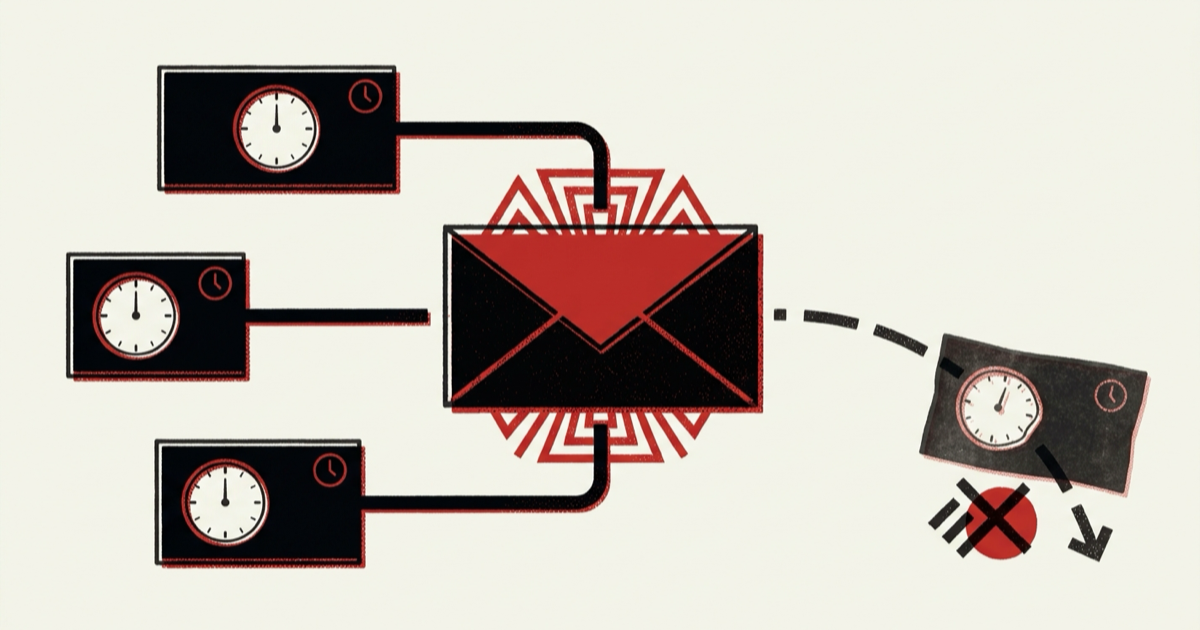
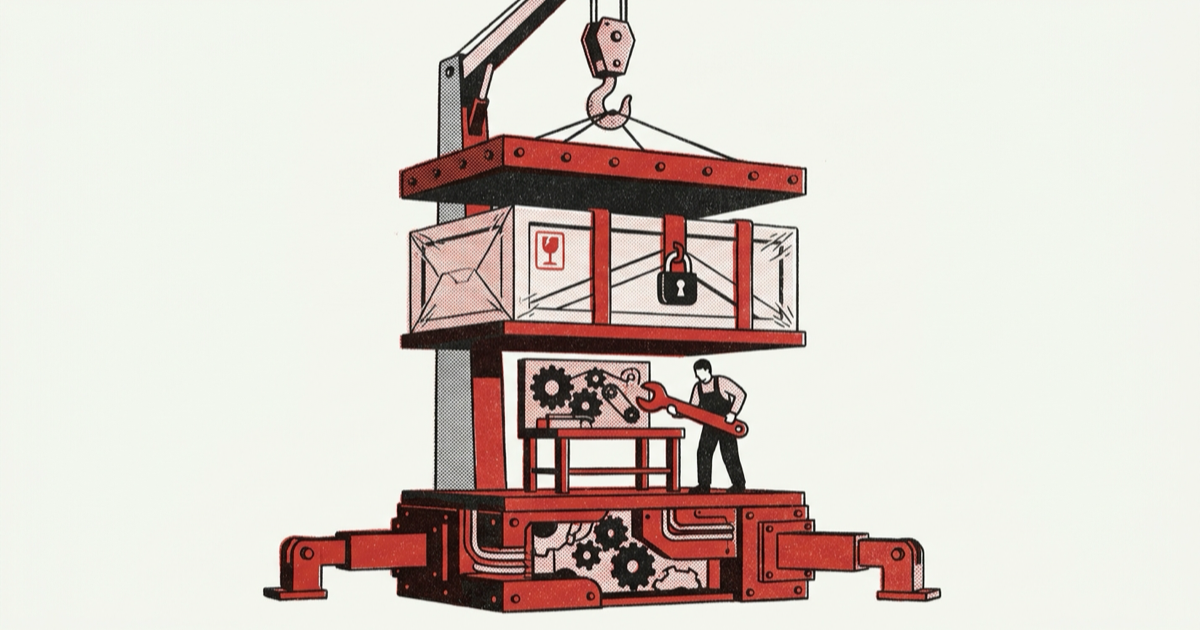
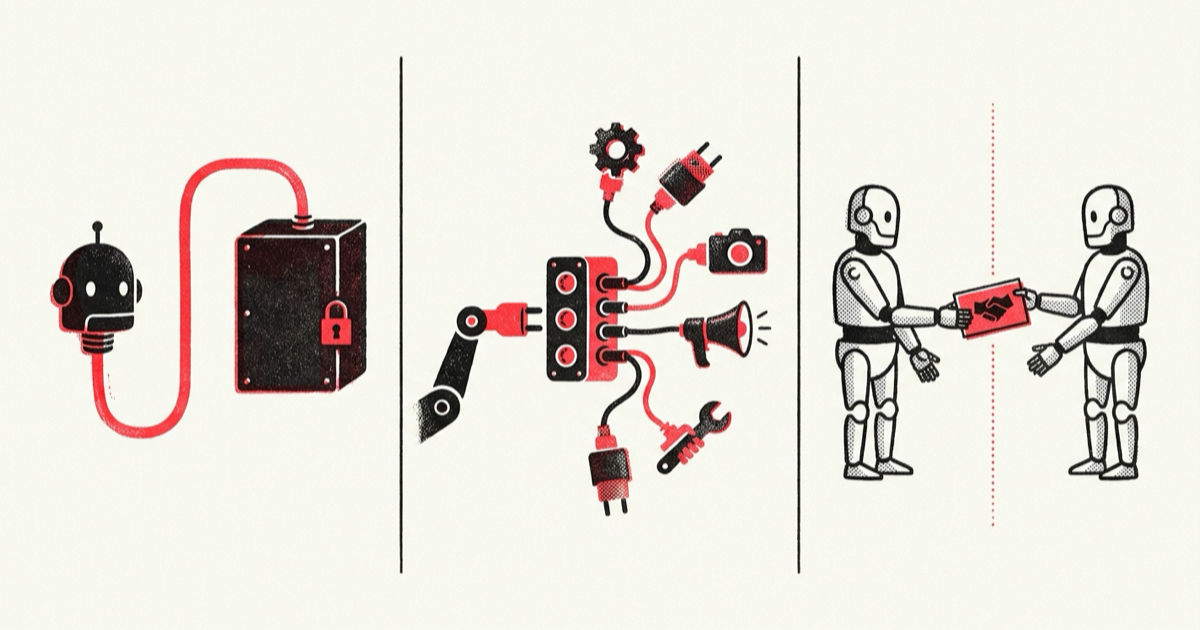
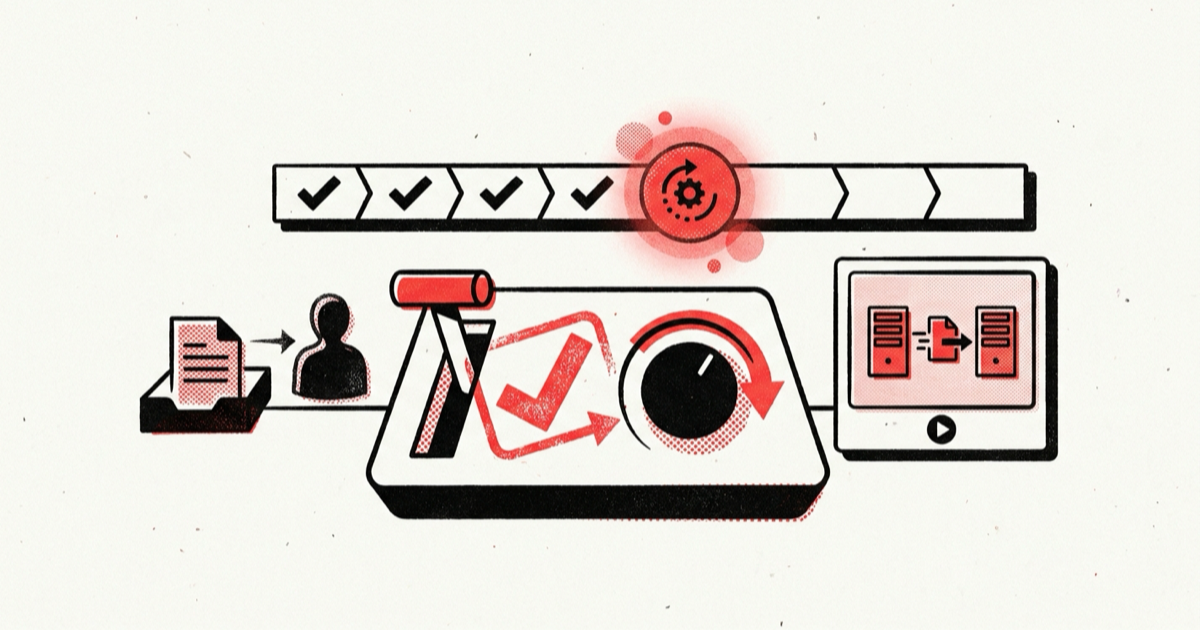
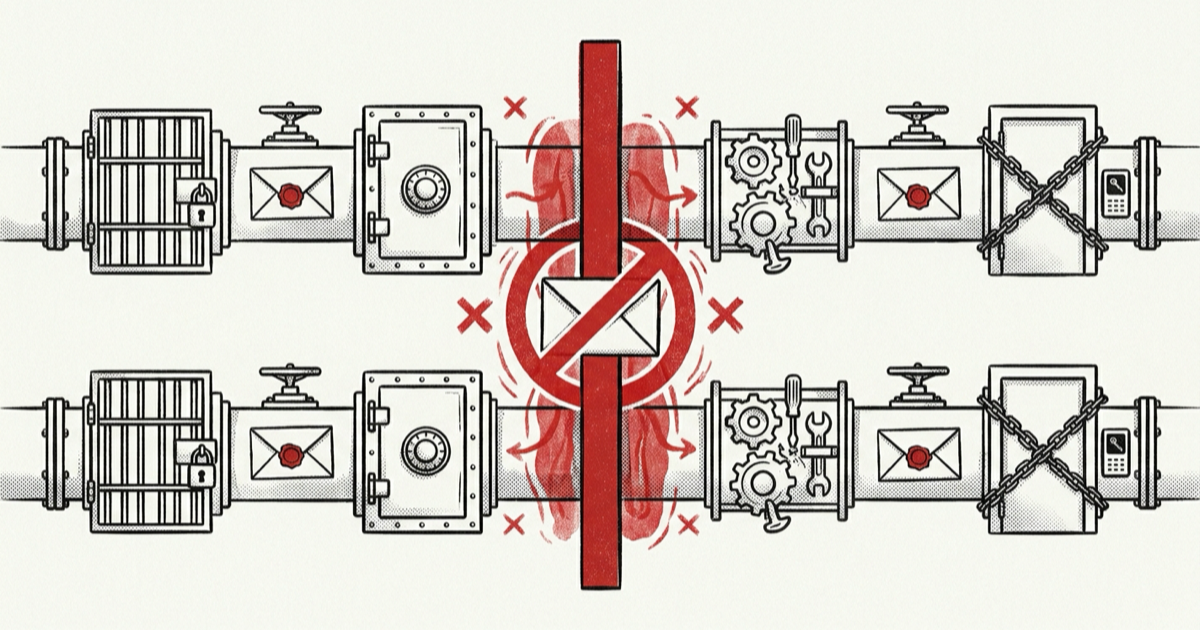
AI agent localization can produce a flawless translation and still execute the wrong action. The assistant may book the wrong day, misread 1.234, assume a currency, or pass a translated status label to an API that expects a stable enum. A longer multilingual prompt will not make those values safe. The product needs an explicit locale contract across the agent runtime, tool layer, and approval UI that separates language from locale, normalizes values before execution, and previews the canonical action.
AI agent memory poisoning turns one bad input into durable, trusted state. A hidden instruction in a web page, email, document, or tool result can be summarized into memory and affect another session after the original input is gone. Prompt filtering alone cannot contain that failure. The product needs a governed write boundary, source and trust metadata on every entry, trust-aware retrieval, an immutable change history, and scoped rollback covering both the initial write and delayed activation.
A completed agent run is not a return on investment. The common calculation assigns a guessed number of minutes saved to every run, subtracts the model bill, and reports a profit, missing users who never adopt the feature, time spent checking or rewriting output, reversed actions, and results that would have happened anyway. A defensible model starts from a comparable workflow baseline, follows accepted outcomes into the product, and includes rework and full operating cost.
AI agent pricing breaks when a SaaS product sends raw model tokens or tool calls straight to the customer invoice. One user action can branch into several model turns, tools, retries, and a human review, and a retry should not create a second charge. Keep two linked ledgers: one for the real cost of each agent run and another for customer-visible billable outcomes, then meter each outcome once across retries and resumes.
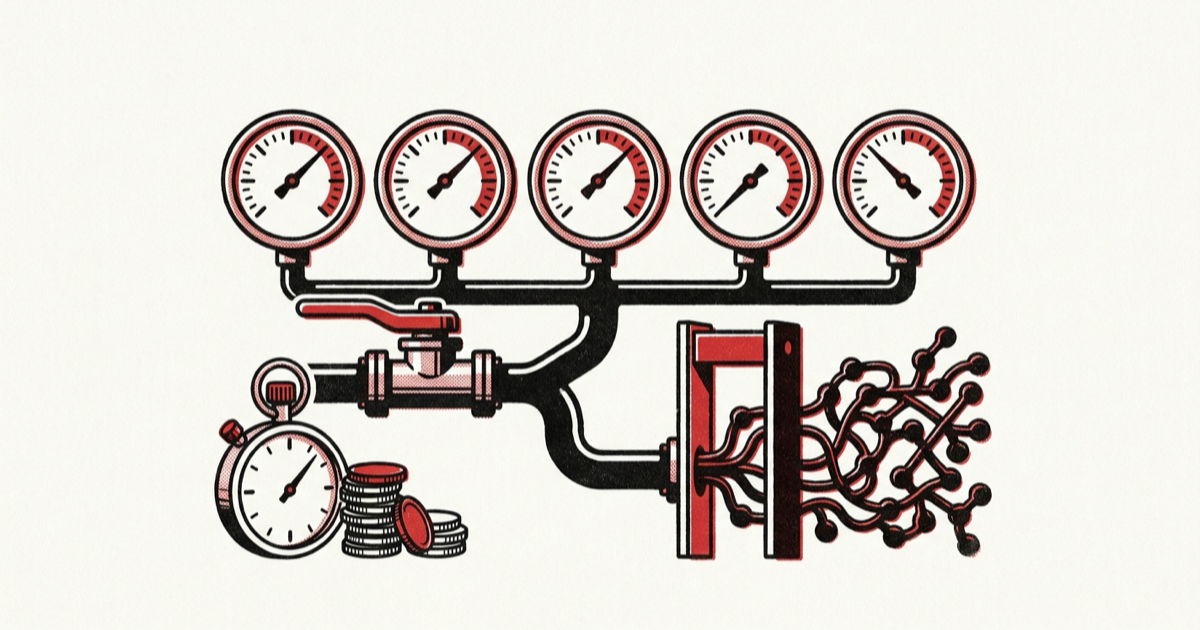
AI agent rate limiting fails when it counts only model requests. One accepted product task can branch into parallel tool calls, subagent work, and retries against APIs that also serve ordinary customers, so a provider quota can stay healthy while your ticket, billing, or account service collapses. Use a product-owned capacity contract that counts fan-out per run, admits work before execution, isolates each dependency, spends retries from one budget, and reserves capacity for interactive traffic.
An AI agent reliability dashboard can stay green while people repair the agent’s work. A run may complete on time but update the wrong record, or look successful until a reviewer corrects it two days later. A trustworthy system needs a versioned outcome ledger, visible numerator and denominator counts, separate safety stops, and an error-budget policy that actually changes rollout behavior.
AI agent concurrency control breaks when two valid runs read one product record and act on separate stale copies. One agent closes a ticket while another escalates it, and the last write wins even though neither operation was a duplicate. Classify actions by whether they may overlap, attach the observed record version to proposed writes, serialize only work that can collide, and return typed conflicts, so useful parallelism survives without one global lock slowing every tenant.
Event-driven AI agents can react to an overdue ticket, a changed order, or a newly uploaded document without waiting for someone to open chat, but connecting the event source straight to the model loop is unsafe. A retried webhook may start two runs, a burst may exhaust the budget, and a delayed event may rely on authority that has expired. Route accepted events through a trigger gateway that checks eligibility, suppresses duplicate work, resolves current authority, creates a bounded durable run, and keeps the causal link from event to effect.
AI agent identity management breaks down when a background run receives a browser session token or a tenant-wide service credential. A session token gives the runtime reusable access without identifying the agent behind the action, while a shared service credential hides the user boundary instead. Keep the user, agent run, and downstream API separate: give the run a short-lived credential for one approved audience and action set, persist only a protected reference to it, and check authority again before refresh or execution.
AI agent context engineering breaks when a product sends the model stale records, half a tool interaction, or every fact it can retrieve. The agent can answer with confidence from outdated data while the team has no reliable way to reconstruct what it saw. Put a context assembly layer around the model call: select authorized product data, preserve complete interaction units, record source versions, compact safely, and recheck mutable facts before any side effect.
AI agent versioning breaks down when the prompt has a revision number but the model, tools, policies, retrieval data, and runtime change on their own, so no single record explains what ran during an incident. Pin every behavior-changing component into one immutable release manifest, resolve it once before the run starts, carry that ID through checkpoints, traces, approvals, and tool receipts, and give in-flight runs an explicit pin, auto-upgrade, or terminate rule.
AI agent tool discovery starts to fail when a mature product puts every action into every model request. The model spends context on tools the user cannot call, sorts through similar schemas, and may depend on every connected backend just to start a session. A scalable catalog starts with the current user’s authority, finds a small set for the task, loads exact schema versions on demand, and leaves execution behind the product’s normal policy checks.
An agent creates working copies of the product data it reads. One customer record may become prompt context, a tool argument, a checkpoint, a vector-memory document, a trace span, or a handoff to another agent, and deleting the original does not find those copies. Govern each derivative with a data-copy register, minimize before the model and tool boundary, redact telemetry before export, and make retention and deletion executable across every surface.
Long-running AI agents break an existing product when a request ends before the work does. The worker may keep running, but the user cannot reconnect, inspect progress, provide missing input, or cancel the job. A longer HTTP timeout only delays the failure. Put the agent behind a durable asynchronous task contract owned by your product, with task identity, explicit states, measured progress, cancellation races, result retention, callbacks, and failure recovery.
When ordinary application code fails, one request log and a stack trace pinpoint the problem. When an AI agent fails, a single request fans out into a dozen model calls, tool executions, retries, handoffs, and approvals, and flat logs cannot tell you whether a timeout came from a slow downstream API or a model looping on bad arguments. Build a hierarchical end-to-end trace model that anchors every span to a tenant, user, and product action, then track tokens, cost, and latency as first-class operational metrics.
The agent platform build vs buy decision is rarely binary. Building the whole orchestration layer in-house means owning retries, connectors, and observability; buying a monolithic platform risks vendor lock-in and blocks the logic that differentiates your product. Score each layer independently, runtime, model gateway, state, connectors, identity, evaluation, and approvals, then buy the commodity layers, extend open-source runtimes, and build only the core differentiators.
Teams adding AI to an existing product hit the same crossroads: what stays a direct API call, what becomes a reusable Model Context Protocol (MCP) tool, and what crosses an Agent-to-Agent (A2A) boundary. Wrapping every endpoint in a direct function call creates a brittle, tightly coupled monolith. This guide gives a worked architecture: direct APIs for synchronous high-risk transactions, MCP for reusable tools and data, and A2A for autonomous long-running delegation.
Agent UX patterns break down when chat is the only surface users have for an action-taking system: a run can sit queued, wait for approval, finish only some steps, or keep running after cancellation, and a spinner plus a final message hides all of it. Build the interface on a durable product state model that covers previews, progress, approvals, partial failure, undo, cancellation, and human handoff, so the page shows what actually happened even after a reload.
A multi-tenant AI agent architecture breaks when tenant identity is treated as prompt text: a stale cache, an unscoped retrieval query, a reused credential, or a resumed job can expose another customer data or act in the wrong account. Resolve tenant identity once from an authenticated request, carry an immutable tenant envelope through retrieval, memory, tools, credentials, queues, and audit logs, then prove isolation with 12 cross-tenant negative tests.
AI agent cost and latency turn unpredictable when a team adds model calls, tools, retries, and handoffs without defining where a run must stop. Set product limits first, record every unit of work in a per-run ledger, and require measured evidence before increasing complexity: a budgeted single-agent baseline, hard orchestrator limits, and a promotion gate keyed to cost per successful outcome.
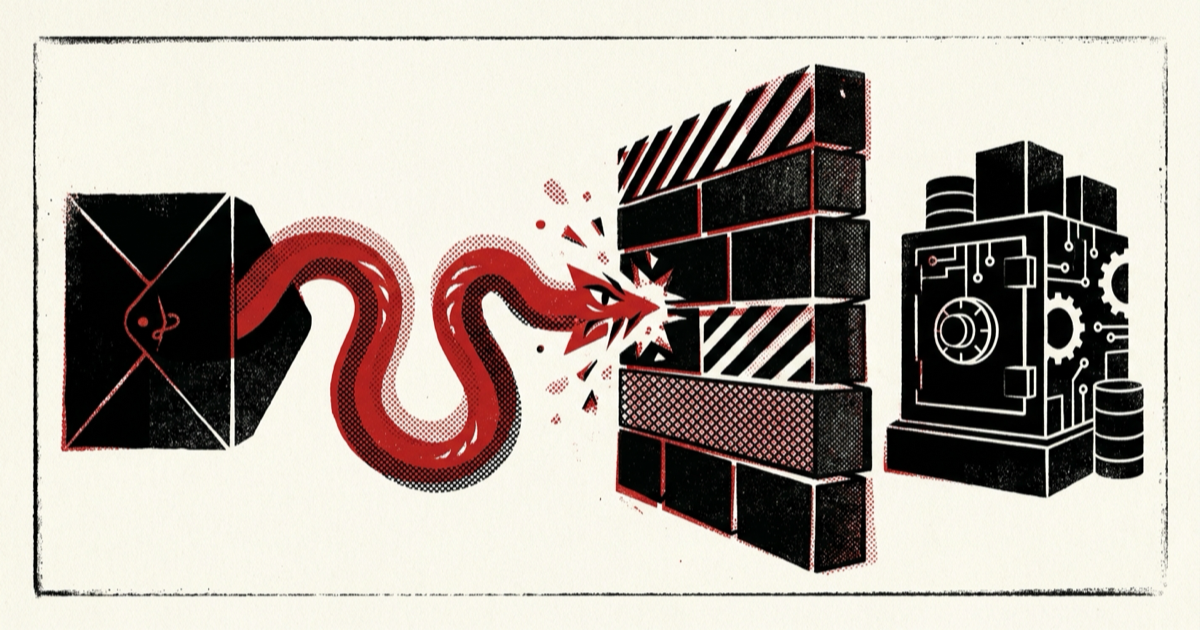
AI agent prompt injection security breaks down when a team treats untrusted content as a text-cleaning problem. Build the system so manipulated model output cannot cross authorization, data, or side-effect boundaries unchecked: six explicit boundaries from source to effect, each enforced by deterministic controls the model cannot override.
An agent may pass every demo and fail on the first customer request outside the happy path. Checking the final answer will not reveal a bad tool choice, unauthorized side effect, or missing recovery step. Turn each confirmed production failure into a versioned, replayable case with tool-call checks, release gates, and rollback rules.
Stateful AI agents on Kubernetes can look healthy in single-pod tests, then lose their place when a Service routes the next request to another replica. Store durable run state outside the replicas, make resume idempotent with fencing tokens and action records, and test each workflow while forcing it to change pods.
Agent state management breaks when a product treats every useful fact as agent memory. A checkpoint, chat transcript, customer record, and remembered preference do not share an owner or lifecycle. Classify each value first: keep product facts under product services, use checkpoints only to resume, and treat long-term memory as derived data with provenance and expiry.
A valid tool call is only a well-formed request, not proof that the caller has permission. AI agent authorization belongs between the runtime and every product tool: decide with authenticated identity, tenant, tool, normalized arguments, and current state, then allow, narrow, defer, or reject.
Human in the loop AI agents break when the approval screen and the execution state drift apart. Approval needs its own durable workflow: store the exact proposed action, bind each decision to an authenticated approver and an immutable action version, and resume through an idempotent execution path.
Teams often choose a model and framework before they define the product workflow, and get demos that bypass permissions, hide partial failures, or cannot be reversed. Start with one workflow, give the agent only the authority it requires, and keep product rules in charge of identity and state changes.
Giving an agent direct access to a legacy API often produces the wrong action with valid JSON. Put a narrow contract between the model and the product: name one business action, bound its inputs, carry authorization context outside model control, and return a typed outcome.
AI agent error handling fails when a tool returns an error but the host workflow still records success. Give every run a typed outcome (ok, retryable, fatal, needs_human, cancelled), route it into the alerts and workflow status your product already has, and enforce hard retry, turn, time, and spend budgets.
An agent rollout strategy goes wrong when a team jumps from a convincing demo to live write access. Move one workflow through five stages (offline replay, shadow mode, suggestions, approval-gated actions, and bounded autonomy) with entry criteria, exit evidence, and rollback behavior for each.
Connecting a model to a legacy application is the easy part. Leave the existing system in charge of its records and business rules, add a narrow tool gateway instead of direct database access, and introduce agent access in stages: replay, shadow, read-only, approval-gated writes, then bounded autonomy.
An agent does not have to choose an action twice for your product to perform it twice. A practical design for idempotency keys, durable action records, retry rules, unknown outcomes, and compensation when agents call real product APIs.